Punjabi Tadka Masala Chai
More than a product. A moment.
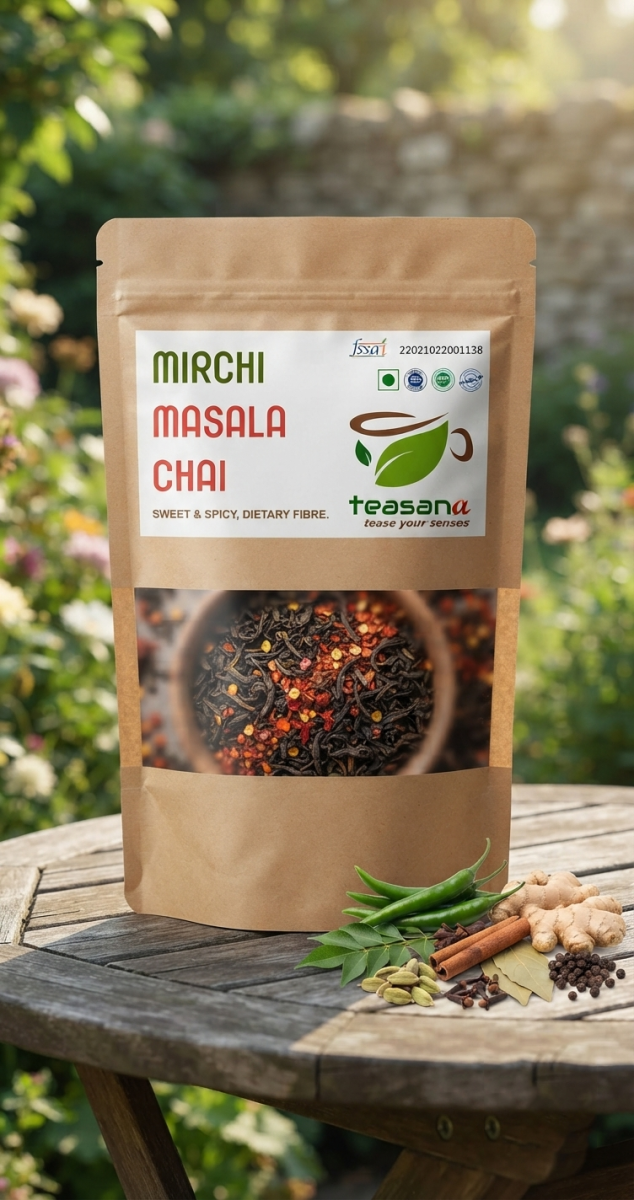
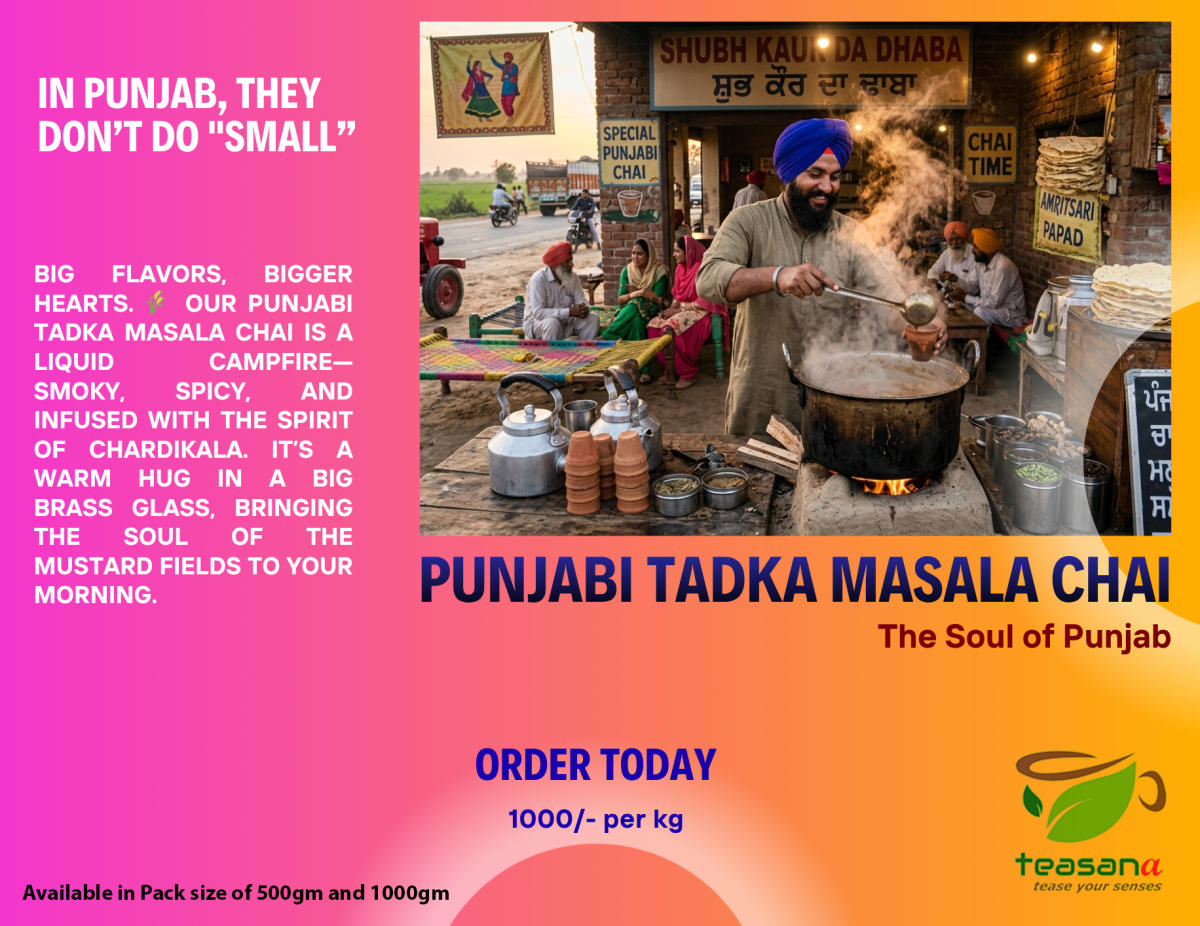
Bold, robust, and unapologetically aromatic, our Punjabi Tadka Masala Chai brings the authentic warmth of a highway dhaba straight to your cup. We kick off this high-energy blend with a deep, full-bodied black tea, then hit it with a powerful tadka—a traditional tempering—of real spices.
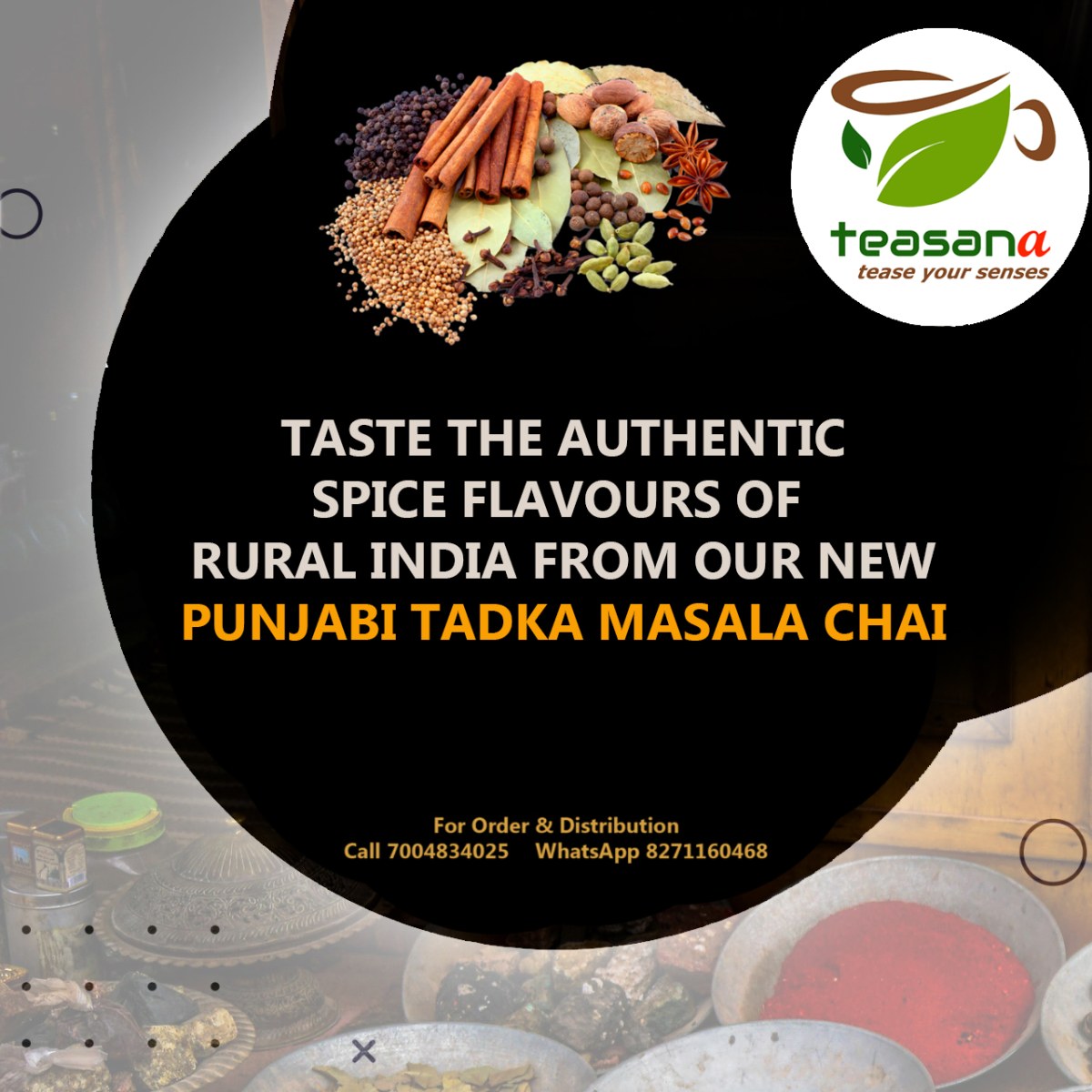
Every sip packs a fiery punch of fresh ginger root, intense dried ginger, and sharp black pepper, beautifully balanced by the sweet warmth of cinnamon and crushed green cardamom. Dark, smoky notes of black cardamom lend a deep complexity, while a touch of cooling fennel rounds out the finish. It is a rich, invigorating, and deeply comforting brew engineered to truly awaken your senses and stoke your inner fire.
Honest, whole, and nothing hidden.
How to make it yours.
To capture the true, fiery dhaba spirit of the Punjabi Tadka blend, you need a vigorous rolling boil. This extracts the deep, smoky notes of the black cardamom and the intense heat of the double ginger and black pepper, ensuring the spices fully cut through the rich milk.
1 teaspoons Punjabi Tadka Masala Chai loose leaves
1 cup water
1 cup whole milk (or a rich plant-based alternative)
1 teaspoons sugar or jaggery (adjust to taste)
Bring 1 cup of water to a hard boil in a saucepan. Add 2 teaspoons of the Punjabi Tadka Masala Chai blend and your choice of sweetener. Let it boil vigorously so the water turns a deep, dark amber color as the spices. Pour in 1 cup of rich milk. Lower the flame slightly and bring the mixture back to a slow, steady simmer. Let the tea leaves and spices marry with the milk for about 2 minutes. Turn the heat up to high and let the chai rise up to the brim of the pan. Quickly lower the heat or lift the pan slightly to let it settle. Repeat this rising and settling process 3 times—this aeration builds a incredibly rich, creamy texture. Turn off the stove. Strain the steaming chai through a fine mesh sieve directly into clay cups (kulhads) or mugs.
What it gives back.
From those who practice it.
“It's become the quietest, best part of my morning.”
“You can tell it's made with real care. Nothing synthetic.”
“I came for one and now my whole shelf is Teasana.”
Punjabi Tadka Masala Chai
You may also like